Is Blue Light Really Aging Your Skin? A Puyallup, WA Esthetician Explains
“Blue light is ruining your skin.” You have probably seen the claim somewhere between a skincare ad and a worried group chat message. The reality is more nuanced, and more useful, than the headlines suggest.
At Honey Rose Aesthetics in Puyallup, clients ask us about blue light skin damage more than almost any other trending topic. So let’s separate what is actually supported from what is mostly noise, and talk about what protection is genuinely worth prioritizing.
Understanding this can help you spend your skincare budget on what matters, instead of chasing a scare headline.
What Blue Light Actually Is
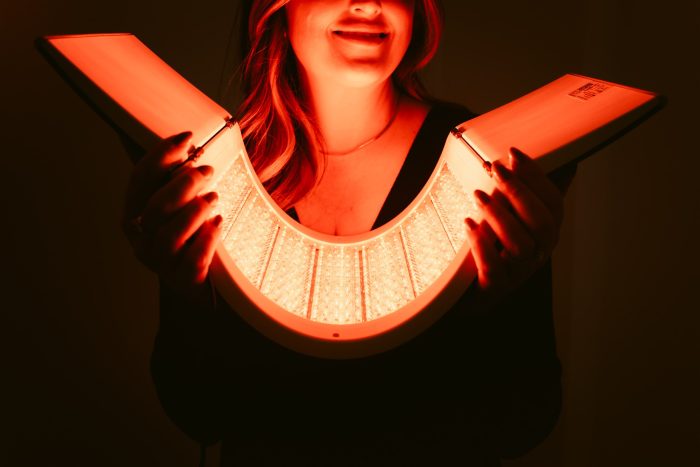
Blue light, also called high-energy visible or HEV light, sits in the 400 to 500 nanometer range of the visible light spectrum and is genuinely everywhere. While digital screens tend to get the blame, the sun is actually the largest source of blue light most of us are exposed to.
That distinction matters, because it shapes how much attention screen time really deserves compared to daily sun exposure.
How Blue Light May Affect the Skin
Blue light can contribute to oxidative stress in skin cells, which over time may play a role in the breakdown of collagen and the appearance of dullness or fine lines. It has also been associated with longer-lasting pigmentation, particularly in deeper skin tones, including Fitzpatrick IV through VI. This is the core of the blue light skin damage in Puyallup conversation worth taking seriously.
This kind of pigmentation can show up as dark spots or uneven tone that lingers longer than pigmentation caused by UV exposure alone, which is part of why visible light protection deserves more attention than it typically gets.
Screens vs Sun: What Actually Matters More
Here is the part that often gets lost in the panic: your daily sun exposure delivers significantly more blue light than your phone or laptop ever will. If your skincare routine addresses sun protection but ignores visible light more broadly, you are likely still exposed to some of the same risks blue light headlines warn about.
In other words, this is less about putting your phone down and more about making sure your daily protection covers more than just UV rays.
What Protection Actually Helps in Puyallup and Pierce County
Traditional SPF is built primarily around UV protection, which means visible light protection is often overlooked entirely. Colorescience formulations, including Sunforgettable Total Protection Flex SPF 50, are designed to go beyond traditional SPF by offering protection against UV rays, blue light, and other environmental stressors.
For clients in Puyallup, Tacoma, and South Hill dealing with pigmentation concerns or early signs of aging, incorporating a broader-spectrum SPF into a daily routine may help reduce oxidative stress and support more even tone over time.
Blue Light Skin Damage Puyallup Clients Should Watch For
Blue light protection is one piece of a larger picture that includes professional treatments like our Aerolase Neo Elite Glass Skin Laser Facial, chemical peels, and a mapped AM and PM home care routine tailored to your skin.
During your consultation, we can talk through whether visible light protection should be a bigger priority in your routine, especially if pigmentation or early aging are already on your radar.
Frequently Asked Questions About Is Blue Light Really Aging Your Skin? A Puyallup, WA Esthetician Explains
Does blue light from my phone really age my skin?
Screens do emit some blue light, but the sun is by far the largest source most people are exposed to daily. Screen time alone is unlikely to be the primary driver of visible aging for most clients, though total light exposure across the day still matters.
Do I need a special SPF for blue light protection?
Traditional SPF is built mainly for UV protection, so a broader-spectrum formula designed to also address visible light, like Colorescience’s Sunforgettable line, can offer additional support if pigmentation or aging are concerns for you.
Is blue light pigmentation worse for certain skin tones?
Visible light pigmentation appears to affect deeper skin tones, including Fitzpatrick IV through VI, more noticeably, and this type of pigmentation can be more persistent than UV-related pigment. This is worth discussing at your consultation if you have deeper or richer skin tones.
Should I stop using my phone to protect my skin?
That is not necessary. Reasonable screen habits are fine for most people. Prioritizing daily sun protection and, when appropriate, visible light protection matters far more than limiting screen time.
How do I know if blue light protection should be part of my routine?
If you are dealing with pigmentation, melasma, or early signs of aging, it is worth discussing broader-spectrum protection at your consultation. Your provider will recommend what is right for your specific skin.
Is blue light skin damage Puyallup dermatology providers take seriously?
Yes, particularly for pigmentation-prone and deeper skin tones, though sun exposure remains the bigger overall contributor. It is worth discussing at your consultation if pigmentation is already a concern.
Ready to Get Started?
Blue light is not the skincare villain the internet sometimes makes it out to be, but it is also not nothing. Understanding the real picture helps you protect your skin in a way that is grounded in fact, not fear.
At Honey Rose Aesthetics in Puyallup, we are always happy to talk through what your specific skin actually needs, whether that is broader-spectrum SPF, a pigmentation-focused treatment plan, or simply peace of mind.
Book your consultation with Honey Rose Aesthetics today. Consultations are thorough, unhurried, and built around your skin.