SPF Education: Everything You Need to Know for Skin Protection + Skin Cancer Awareness Month
A Modern, No-Guilt Guide to Protecting Your Skin (and Why It Matters More Than You Think)
When it comes to skincare, few topics are as widely discussed, and widely misunderstood, as SPF.
You’ve probably heard:
- “Wear sunscreen every day.”
- “SPF prevents skin cancer.”
- “You need SPF even indoors.”
But what does all of that actually mean for you, your skin, and your daily routine?
During Skin Cancer Awareness Month, the conversation around SPF often becomes louder, but also more overwhelming. Many people feel flooded with information, or worse, discouraged by messaging that focuses on past damage instead of future protection.
At Honey Rose Aesthetics, we approach this differently.
This guide is designed to give you clear, elevated, science-backed SPF education, without fear, without guilt, and without unnecessary complexity. Just the knowledge you need to confidently protect your skin moving forward.
What Is SPF? (And What It Actually Means)
Let’s start with the foundation.
SPF stands for Sun Protection Factor, and it measures how well a sunscreen protects your skin from UVB rays, the type of ultraviolet radiation primarily responsible for sunburn and a major contributor to skin cancer.
Here’s a simple way to understand it:
- SPF 15 blocks about 93% of UVB rays
- SPF 30 blocks about 97%
- SPF 50 blocks about 98%
The difference between higher SPFs is smaller than most people think, but consistency in use is what truly matters.
What SPF Does Not Mean:
- It does not tell you how long you can stay in the sun safely
- It does not measure UVA protection (unless labeled “broad-spectrum”)
- It does not replace reapplication
This is where proper SPF education becomes essential, because using sunscreen incorrectly is often just as ineffective as not using it at all.
The Difference Between UVA and UVB Rays
To fully understand SPF, you need to understand the two main types of UV radiation that affect your skin.
UVB Rays:
- Cause sunburn
- Play a key role in skin cancer development
- Are strongest during peak sunlight hours
UVA Rays:
- Penetrate deeper into the skin
- Contribute to premature aging, including:
- Fine lines
- Wrinkles
- Hyperpigmentation
- Present year-round, even on cloudy days
- Can pass through windows
Why This Matters:
A sunscreen labeled “broad-spectrum” protects against both UVA and UVB rays. This is what you should be using daily.
Without broad-spectrum protection, you may be preventing sunburn, but still allowing long-term skin damage.
Why SPF Is Essential During Skin Cancer Awareness Month
Skin Cancer Awareness Month isn’t about fear, it’s about awareness and empowerment.
Skin cancer is one of the most common forms of cancer, but it’s also one of the most preventable when proper protection habits are in place.
Key Insight:
Daily SPF use is one of the simplest and most effective ways to reduce your risk.
But here’s what’s often missing from the conversation:
You don’t need to be perfect.
You don’t need to undo the past.
You just need to start protecting your skin consistently now.
The Most Common SPF Mistakes (and How to Fix Them)
Even with the best intentions, many people aren’t getting full protection from their SPF. Let’s refine your approach.
1. Not Applying Enough
Most adults apply only 25–50% of the recommended amount.
What to do instead:
- Use about a nickel-sized amount for your face
- Don’t forget:
- Ears
- Neck
- Hairline
2. Skipping Reapplication
SPF wears off throughout the day due to:
- Sweat
- Natural oil production
- Touching your face
What to do instead:
- Reapply every 2 hours when outdoors
- Use:
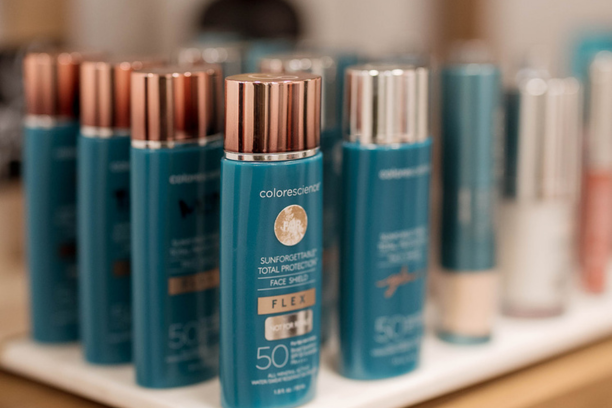
- Powder SPF
- Spray SPF
- Compact SPF products for convenience
3. Only Using SPF on Sunny Days
UV exposure happens even when:
- It’s cloudy
- You’re inside near windows
- You’re running quick errands
What to do instead:
- Make SPF part of your daily morning routine, like brushing your teeth
4. Relying on Makeup with SPF
Makeup SPF is helpful, but not sufficient on its own.
What to do instead:
- Use a dedicated sunscreen underneath makeup
- Think of makeup SPF as a bonus layer, not your primary protection
How to Choose the Right SPF for Your Skin
Not all sunscreens are created equal, and choosing the right one can make all the difference in consistency.
Look for These Key Features:
- Broad-spectrum protection
- SPF 30 or higher
- A formula that fits your skin type
For Oily or Acne-Prone Skin:
- Lightweight, oil-free formulas
- Gel or fluid textures
For Dry Skin:
- Cream-based sunscreens with hydrating ingredients
For Sensitive Skin:
- Mineral (physical) sunscreens with:
- Zinc oxide
- Titanium dioxide
Mineral vs. Chemical Sunscreens (Simplified)
Mineral SPF:
- Sits on top of the skin
- Reflects UV rays
- Ideal for sensitive skin
Chemical SPF:
- Absorbs UV rays
- Converts them into heat
- Often more lightweight and invisible on the skin
Both are effective, what matters most is what you’ll actually use consistently.
How SPF Supports Your Skin Goals (Beyond Protection)
SPF isn’t just about prevention, it’s also about preserving the results you care about.
If your goals include:
- Brighter skin
- Even tone
- Reduced pigmentation
- Anti-aging
Then SPF is non-negotiable.
Why?
Sun exposure can:
- Reverse progress from treatments
- Trigger pigmentation
- Break down collagen
At Honey Rose Aesthetics, we often remind clients:
Your results are only as strong as your daily protection.
SPF and Hyperpigmentation: What You Need to Know
For clients concerned with:
- Melasma
- Sun spots
- Uneven skin tone
SPF is one of the most important tools in your routine.
Even minimal UV exposure can:
- Darken existing pigmentation
- Trigger new discoloration
Pro Tip:
For pigmentation concerns, consider:
- SPF 50+
- Tinted sunscreens (which help block visible light)
Do You Really Need SPF Indoors?
This is one of the most common questions, and the answer depends on your environment.
You should wear SPF indoors if:
- You sit near windows
- You drive frequently
- You’re working in bright, sunlit spaces
UVA rays can penetrate glass, meaning your skin is still exposed, even when you’re inside.
What About Winter or Cloudy Days?
UV rays don’t take a season off.
- Up to 80% of UV rays can pass through clouds
- Snow can reflect UV rays, increasing exposure
Bottom Line:
If there’s daylight, there’s UV exposure.
Creating a Simple, Sustainable SPF Routine
SPF doesn’t need to be complicated.
Morning Routine:
- Cleanse
- Moisturize (if needed)
- Apply SPF (last step before makeup)
Midday:
- Reapply if outdoors or exposed to sunlight
Keep It Easy:
- Store SPF in your bag or car
- Use formulas you enjoy wearing
Consistency is what creates results, not perfection.
Skin Cancer Awareness: What to Look For
While SPF is a powerful preventative tool, awareness is equally important.
Monitor your skin for:
- New moles or spots
- Changes in size, shape, or color
- Spots that itch, bleed, or don’t heal
The ABCDE Rule:
- Asymmetry
- Border irregularity
- Color variation
- Diameter larger than a pencil eraser
- Evolving over time
If you notice changes, it’s always best to consult a medical professional.
The Bigger Picture: Prevention + Correction
At Honey Rose Aesthetics, we believe in a balanced approach:
Prevention:
- Daily SPF
- Education
- Consistent habits
Correction:
- Professional treatments to address:
- Sun damage
- Pigmentation
- Texture concerns
This combination allows you to both protect and improve your skin with confidence.
A Modern Approach to SPF Education
SPF education has evolved and it should feel empowering, not overwhelming.
You don’t need:
- A 10-step routine
- Perfect habits
- Fear-based motivation
You just need:
- The right information
- The right products
- A simple, consistent routine
Final Thoughts: Protecting Your Skin Moving Forward
If there’s one takeaway from this guide, it’s this:
It’s never about what you didn’t do in the past. It’s about what you choose to do now.
SPF is one of the most impactful, accessible tools you have to:
- Protect your skin
- Maintain your results
- Support long-term skin health
And it doesn’t have to feel complicated.
Ready to Take the Next Step in Your Skin Health?
If you’re ready to:
- Build a skincare routine that actually works
- Protect your skin while improving tone, texture, and clarity
- Get expert guidance tailored specifically to your skin
We’re here to help.
At Honey Rose Aesthetics, we combine advanced skin science with a personalized, supportive approach so you feel confident in every step of your skincare journey.
? Book your consultation today.
Let’s create a plan that protects your skin now, and supports it for years to come.