Scarring Explained: Types of Scars, What They Look Like, and the Most Effective Treatments for Clear, Smooth Skin
Scarring is one of the most frustrating and confidence-impacting skin concerns, and one of the most misunderstood.
If you’ve ever looked in the mirror and noticed lingering marks after acne, injury, or irritation, you may have wondered:
- Why is this still here?
- Why isn’t it fading?
- Am I stuck with this forever?
The truth is, scarring is not just a surface issue, it’s a structural change in the skin. And treating it effectively requires understanding both the science behind scarring and the type of scar you’re dealing with.
In this comprehensive guide, you’ll learn:
- What scarring actually is
- The different types of scars and what they look like
- Why scars form and persist
- The most effective, modern treatments for scarring
- How to improve skin texture safely without unnecessary pain, downtime, or wasted money
If you’re looking for real answers and effective scar treatments, you’re in the right place.
What Is Scarring? Understanding the Science Behind Scar Formation
Scarring is your skin’s natural response to injury.
Whenever the skin is damaged; whether from acne, picking, burns, or procedures, it goes through a healing process. This process involves rebuilding tissue, but it doesn’t always restore the skin to its original structure.
Instead, the body produces collagen fibers to repair the area. When this repair process is uneven or disrupted, it results in visible scarring.
The Three Phases of Skin Healing
To understand scarring, it’s important to understand how the skin heals:
1. Inflammation Phase
- The body responds to injury
- Blood flow increases
- Immune cells are activated
This stage is necessary, but excessive inflammation can increase the risk of scarring.
2. Proliferation Phase
- New tissue begins to form
- Collagen is produced
- The skin starts rebuilding
3. Remodeling Phase
- Collagen is reorganized
- Skin attempts to strengthen and smooth
If collagen is overproduced or underproduced during this phase, scars form.
Why This Matters
Scars are not just discoloration, they are changes in skin texture and structure.
That’s why many surface-level treatments fail. True scar treatments must address:
- Collagen remodeling
- Skin regeneration
- Inflammation control
Types of Scars: Not All Scarring Is the Same
Understanding the types of scars you have is essential for choosing the right treatment.
Different scars require completely different approaches.
Atrophic Scars (Depressed Scars)
These are the most common types of acne scars and appear as indentations in the skin.
They occur when the skin does not produce enough collagen during healing.
Ice Pick Scars
- Deep, narrow holes in the skin
- Often resemble enlarged pores
- Extend into deeper layers of skin
These are among the most challenging scars to treat due to their depth.
Boxcar Scars
- Wider depressions with defined edges
- Can be shallow or deep
- Often found on the cheeks and temples
Rolling Scars
- Broad, shallow depressions
- Create a wave-like or uneven texture
- Caused by fibrous bands pulling the skin downward
Hypertrophic Scars (Raised Scars)
These scars form when the body produces too much collagen during healing.
- Raised above the skin
- Often firm and thick
- Usually remain within the boundaries of the original injury
Keloid Scars
Keloids are a more severe form of raised scarring.
- Extend beyond the original injury
- Continue to grow over time
- Can be itchy or uncomfortable
Post-Inflammatory Hyperpigmentation (PIH)
While not technically a “scar,” PIH is often grouped into scarring concerns.
- Flat dark spots left after acne or irritation
- Caused by excess pigment production
- More common in deeper skin tones
Post-Inflammatory Erythema (PIE)
- Red or pink marks left after inflammation
- Caused by vascular changes in the skin
- Often mistaken for active acne
What Do Different Scars Look Like?
Understanding what your scars look like helps determine the best treatment approach.
- Indented scars → Texture loss (collagen deficiency)
- Raised scars → Excess collagen
- Dark marks → Pigment-related
- Red marks → Vascular-related
Many people actually have a combination of scar types, which is why a customized treatment plan is essential.
Why Scarring Happens (And Why It Stays)
Scarring is influenced by multiple factors, not just the initial injury.
1. Inflammation
The more inflammation present during healing, the higher the risk of scarring.
This is why:
- Picking at acne
- Using harsh treatments
- Over-exfoliating
can all make scarring worse.
2. Delayed Healing
When the skin takes longer to heal, it increases the likelihood of uneven collagen formation.
3. Skin Type and Genetics
Some individuals are more prone to scarring due to genetics or higher collagen activity.
4. Improper Treatment
Using the wrong treatments, or too aggressive of an approach, can worsen scarring instead of improving it.
Why Most Scar Treatments Don’t Work
If you’ve tried multiple treatments with little success, you’re not alone.
Here’s why many scar treatments fail:
1. Treating the Wrong Type of Scar
Different scars require different approaches.
A treatment that works for pigmentation will not fix a deep textural scar.
2. Focusing Only on the Surface
Scars often extend deeper into the skin, meaning surface treatments alone are not enough.
3. Overly Aggressive Approaches
Harsh treatments can:
- Increase inflammation
- Damage the skin barrier
- Delay healing
4. Lack of Consistency
Scar remodeling takes time.
Quick fixes rarely produce lasting results.
Modern Treatments for Scarring: What Actually Works
Today’s most effective treatments for scarring are rooted in skin regeneration and controlled collagen remodeling.
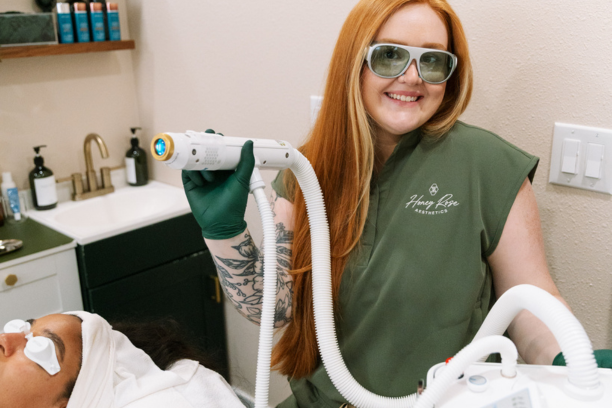
At Honey Rose Aesthetics, treatments are designed to improve the skin safely, without unnecessary damage.
1. Collagen-Stimulating Treatments
These treatments encourage the skin to rebuild itself naturally.
- Improve texture
- Smooth depressed scars
- Strengthen the skin over time
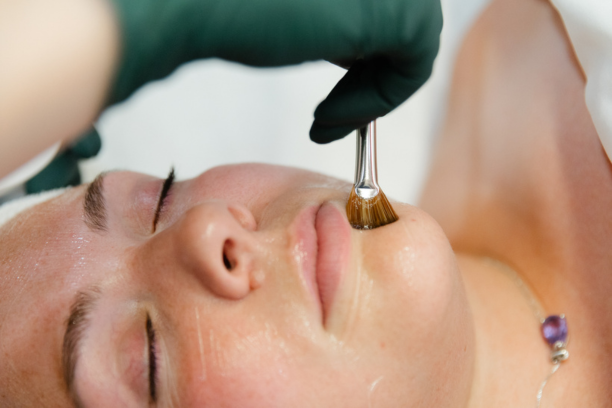
2. Customized Chemical Peels
Not all peels are created equal.
Modern, barrier-safe peels:
- Gently resurface the skin
- Improve tone and texture
- Support long-term skin health
3. Targeted Corrective Facials
These treatments focus on:
- Reducing inflammation
- Supporting healing
- Improving overall skin quality
4. Medical-Grade Skincare
At-home care plays a critical role in scar improvement.
Key ingredients may include:
- Retinoids (for cell turnover)
- Growth factors
- Anti-inflammatory agents
- Pigment regulators
5. Barrier Repair Therapy
A healthy skin barrier is essential for proper healing and scar improvement.
The Truth About Pain, Downtime, and Cost
One of the biggest concerns people have about scar treatments is:
- Will it hurt?
- Will I have downtime?
- Is it going to be expensive?
Pain
Not all effective treatments are painful.
Modern approaches prioritize:
- Comfort
- Gradual improvement
- Skin integrity
Downtime
Aggressive treatments often come with significant downtime, but they are not always necessary.
Many advanced treatments allow you to:
- Continue daily activities
- Improve skin progressively
Cost
While scar treatments are an investment, ineffective treatments are often more expensive in the long run.
A strategic plan saves:
- Time
- Money
- Frustration
How Long Does It Take to Improve Scarring?
Scar improvement is a process, not a one-time fix.
- Mild scarring: a few months
- Moderate to deep scarring: several months to a year
Consistency is key.
At-Home Care for Scarring: What You Should Be Doing Daily
Your daily routine has a direct impact on how well your skin heals and improves.
Essential Steps
1. Gentle Cleansing
Avoid stripping the skin.
2. SPF (Daily)
Protects healing skin and prevents discoloration.
3. Targeted Treatments
Use ingredients that support collagen and reduce inflammation.
4. Hydration and Barrier Support
Keeps skin resilient and responsive to treatment.
Preventing Future Scarring
Prevention is just as important as treatment.
Key Habits
- Do not pick or squeeze acne
- Treat breakouts early
- Avoid harsh, irritating products
- Protect your skin from the sun
- Maintain a consistent routine
Why Choosing the Right Provider Matters
Scarring is one of the most complex skin concerns to treat.
Choosing a provider who understands:
- Skin structure
- Scar types
- Treatment timing
can make all the difference.
At Honey Rose Aesthetics, the focus is on:
- Customized treatment plans
- Evidence-based care
- Long-term skin health
- Gentle, effective solutions
The Bottom Line: You Are Not Stuck With Your Scars
This is one of the biggest misconceptions:
That scars are permanent and untreatable.
The reality is:
- Scars can be improved significantly
- Skin can regenerate
- Texture can be smoothed
But it requires the right strategy.
Ready to Improve Your Skin and Treat Scarring the Right Way?
If you’re tired of trying treatments that don’t work or are afraid of harsh, painful procedures, it’s time for a better approach.
At Honey Rose Aesthetics, your skin is treated with:
- Precision
- Care
- Science-backed strategies
No guesswork. No unnecessary damage. Just real results.
Book Your Consultation
Take the first step toward smoother, clearer, more confident skin.
Your customized scar treatment plan is waiting and your skin deserves it.