All About Pigment: The Science Behind Pigmentation, Why It Happens, and How to Treat It Effectively
Pigment is one of the most misunderstood and frustrating concerns in skincare. If you’ve ever felt like dark spots, melasma, or uneven skin tone just won’t budge no matter what you try, you’re not alone.
The truth is, pigmentation is not a surface-level issue. It is deeply rooted in complex biological processes happening beneath your skin, and treating it requires more than just a trending serum or aggressive peel.
In this comprehensive guide, you’ll learn:
- What pigment really is
- The science behind pigment formation
- Why pigmentation treatments often fail
- The most effective modern approaches to pigmentation treatment
- How to achieve long-term, healthy, radiant skin
If you’ve been searching for real answers grounded in pigment science, this is where everything starts to make sense.
What Is Pigment? Understanding Skin Pigmentation at Its Core
At its simplest, pigment refers to the color of your skin, which is determined by melanin.
Melanin is produced by specialized cells called melanocytes, located in the deepest layer of the epidermis. While melanin affects your skin tone, its primary role is actually protective.
Melanin helps:
- Absorb UV radiation
- Protect DNA from damage
- Defend the skin against environmental stressors
When functioning properly, melanin is distributed evenly throughout the skin, creating a smooth, balanced complexion.
When this process becomes disrupted, pigment begins to appear uneven, resulting in dark spots, patches, or overall discoloration.
The Science Behind Pigment: How Pigmentation Actually Forms
To effectively treat pigment, you must understand the science behind pigment, also known as melanogenesis.
Pigmentation is not a single-step issue, it is a multi-step process:
Step 1: Activation (The Trigger Phase)
Pigment begins when melanocytes are stimulated.
Common triggers include:
- Sun exposure (UV radiation)
- Hormonal fluctuations (melasma)
- Inflammation (acne, irritation, over-exfoliation)
- Heat and environmental stress
Your skin perceives these triggers as threats and responds by increasing melanin production.
Step 2: Production (Melanin Creation)
Once activated, melanocytes produce melanin through an enzyme called tyrosinase.
This is where many skincare products attempt to intervene, but focusing only on this stage is often not enough.
Step 3: Transfer (Distribution of Pigment)
Melanin is packaged and transferred into surrounding skin cells (keratinocytes), spreading pigment across the skin.
Step 4: Accumulation (Visible Pigment)
As skin cells rise to the surface, pigment becomes visible in the form of:
- Dark spots
- Uneven tone
- Patches of discoloration
Why This Matters
Most people are told pigmentation is a surface issue, but in reality, it is:
- Cellular
- Reactive
- Influenced by multiple internal and external factors
This complexity is exactly why many pigmentation treatments fail.
Types of Pigmentation: Not All Pigment Is the Same
Understanding the type of pigment you’re dealing with is essential for choosing the right pigmentation treatment.
Melasma
Melasma is hormonally driven pigmentation that often appears symmetrically on the face.
Common triggers include:
- Pregnancy
- Birth control
- Hormonal fluctuations
- Heat exposure
Melasma is one of the most complex and stubborn forms of pigment because it is influenced internally, not just externally.
Post-Inflammatory Hyperpigmentation (PIH)
PIH occurs after the skin experiences trauma or inflammation.
Common causes:
- Acne
- Skin picking
- Aggressive treatments
- Burns or irritation
The skin responds by overproducing pigment during the healing process.
Sun Damage (Solar Lentigines / Age Spots)
This type of pigmentation is caused by cumulative UV exposure over time.
It typically appears as:
- Brown spots
- Freckling
- Uneven tone on sun-exposed areas
Diffuse Pigmentation
Diffuse pigmentation appears as a general unevenness in skin tone rather than distinct spots.
It is often linked to:
- Chronic inflammation
- Barrier damage
- Environmental stress
Why Most Pigmentation Treatments Fail
If you’ve tried multiple pigmentation treatments without success, you are not alone.
The issue is not your skin. It’s the approach.
1. Treating Only One Step of Pigment Formation
Most products focus only on inhibiting melanin production. However, pigment formation involves multiple steps—activation, production, transfer, and accumulation.
Ignoring these steps leads to incomplete results.
2. Creating More Inflammation
Aggressive treatments such as harsh peels, over-exfoliation, or improper laser use can worsen pigmentation by triggering inflammation.
Inflammation is one of the primary drivers of pigment.
3. Ignoring the Skin Barrier
A compromised skin barrier leads to:
- Increased sensitivity
- Chronic inflammation
- Heightened pigment response
Without repairing the barrier, pigment will continue to return.
4. Chasing Quick Fixes
Pigmentation cannot be corrected overnight.
Quick-fix treatments often provide temporary results but fail to address the underlying cause.
A Smarter Approach: The Modern Science of Pigmentation Treatment
Today’s most effective pigmentation treatments are rooted in respecting the skin’s biology.
Instead of aggressively targeting pigment, modern approaches focus on restoring balance.
1. Calm the Skin
Reducing inflammation is the first step in controlling pigment production.
2. Repair the Skin Barrier
A healthy barrier helps regulate melanocyte activity and prevents future pigmentation.
3. Target Multiple Pathways
Effective pigmentation treatment addresses:
- Melanin production
- Pigment transfer
- Inflammation
- Cellular turnover
4. Protect Against UV Exposure
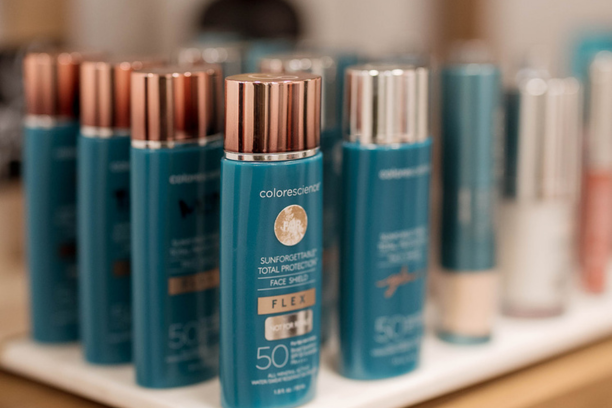
Daily SPF is non-negotiable.
Even minimal sun exposure can reactivate pigmentation and undo progress.
5. Choose Progressive Over Aggressive Treatments
Consistency and gentleness outperform aggressive, inconsistent treatments every time.
Professional Pigmentation Treatment: What Actually Works
While at-home care is important, professional guidance is often the key to real results.
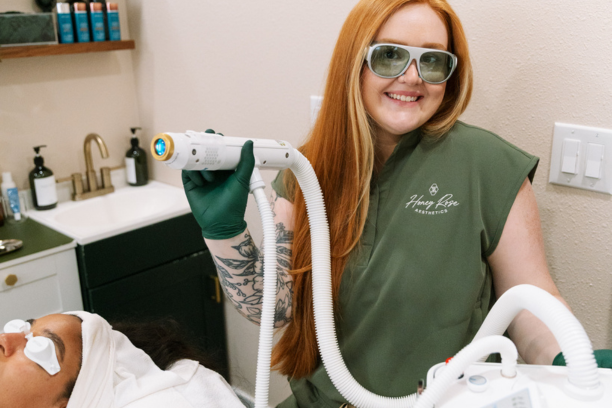
At Honey Rose Aesthetics, pigmentation treatment is approached with a deep understanding of pigment science, ensuring that treatments are both effective and safe for long-term skin health.
Customized Treatment Plans May Include:
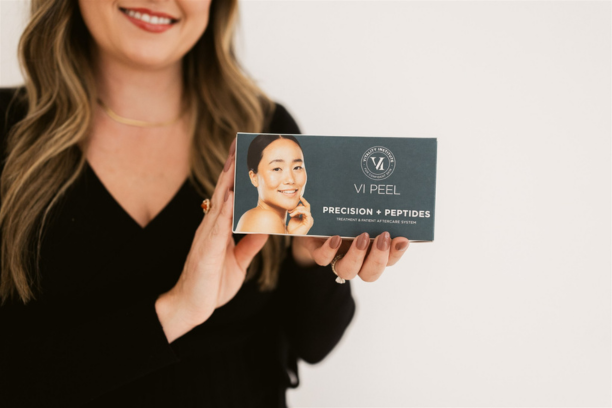
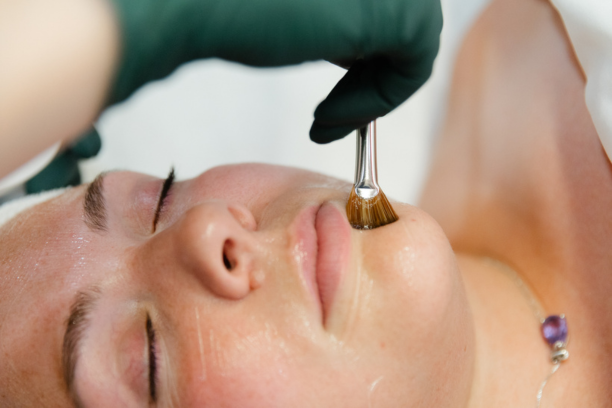
- Advanced, barrier-safe chemical peels
- Corrective facials tailored to pigment conditions
- Medical-grade skincare protocols
- Barrier repair therapies
- Pigment-regulating ingredients
Each treatment plan is designed to:
- Address the root cause of pigmentation
- Minimize inflammation
- Support long-term skin health
The Role of At-Home Skincare in Pigment Correction
Your daily skincare routine plays a critical role in both treating and preventing pigment.
Essential Components of a Pigment-Focused Routine
1. SPF (Daily Use)
Protects against UV-induced pigment activation.
2. Antioxidants
Help reduce oxidative stress and inflammation.
3. Pigment Inhibitors
Target melanin production and distribution.
4. Barrier Repair Ingredients
Support skin health and resilience.
Consistency is key. Even the most advanced treatments cannot succeed without proper home care.
How Long Does It Take to See Results?
Pigmentation correction requires patience.
- Superficial pigment: several weeks to months
- Deeper pigment (like melasma): several months or longer
Long-term, consistent strategies produce the most sustainable results.
Who Is Most Prone to Pigmentation?
Pigmentation can affect all skin types, but risk increases with:
- Hormonal changes
- Acne-prone skin
- Frequent sun exposure
- Genetic predisposition
- Higher melanin levels
More melanin means more active melanocytes, which can increase the likelihood of pigmentation.
Preventing Pigmentation: What You Can Do Starting Today
Prevention is one of the most powerful tools in managing pigment.
Daily Pigment Prevention Habits
- Wear SPF every day
- Avoid excessive heat exposure
- Be gentle with your skin
- Treat inflammation early
- Maintain a consistent skincare routine
The Truth About Pigment: What Most People Don’t Realize
Pigment is not just a cosmetic concern, it is a signal from your skin.
It indicates:
- Underlying inflammation
- Barrier disruption
- Environmental or internal stress
Understanding this changes the way you approach treatment.
Instead of fighting your skin, you begin to support it.
Why Choosing the Right Provider Matters
Pigmentation is one of the most complex conditions in aesthetics.
Choosing a provider who understands pigment science can make the difference between:
- Temporary improvement
- Long-term transformation
At Honey Rose Aesthetics, the focus is on:
- Education
- Customized care
- Evidence-based treatments
- Long-term skin health
Ready to Treat Your Pigment the Right Way?
If you’ve been struggling with pigmentation and feel like nothing has worked, it’s time for a different approach.
One rooted in:
- Science
- Strategy
- Skin health
Your skin is not the problem, the approach has been.
Book Your Consultation
Take the first step toward clear, even, radiant skin.
At Honey Rose Aesthetics, your treatment plan is customized, strategic, and designed for real, lasting results.